Understanding PhonePe Deposits for IPL Satta: Risks, Mechanics, and Consumer Safeguards
Introduction
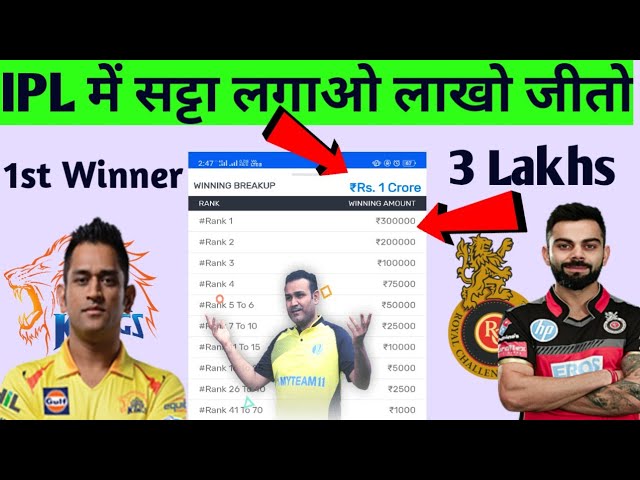
The Indian Premier League (IPL) has transformed cricket into a cultural phenomenon, drawing massive viewership and, inevitably, a surge in betting activity. While traditional bookmakers operate under strict regulation, a parallel market—commonly referred to as IPL Satta—thrives underground, offering rapid, unofficial wagering on match outcomes. In recent years, digital wallets such as PhonePe have become popular channels for depositing funds into these illicit platforms. This article provides a comprehensive overview of PhonePe deposit mechanisms for IPL satta, examines the legal and financial implications, and outlines best practices for consumer protection.
What Is IPL Satta?
IPL satta is an informal betting network that enables participants to place wagers on various IPL fixtures without the oversight of sports authorities or financial regulators. These platforms typically operate through mobile applications, messaging groups, or dedicated websites that market themselves as “instant money‑making” solutions. While the promise of quick payouts can be alluring, the lack of licensing means that participants are exposed to heightened fraud risk, legal prosecution, and financial loss.
Why PhonePe Is a Preferred Deposit Method
PhonePe, a UPI‑based digital wallet, offers several features that make it attractive for satta participants:
- Instantaneous Transfer: Funds move between bank accounts and the PhonePe wallet in real time, facilitating rapid bet placement.
- Widely Accepted Interface: Over 250 million users in India trust PhonePe for everyday payments, making it a familiar tool for many bettors.
- Low Transaction Fees: Compared with traditional banking channels, PhonePe charges minimal fees, preserving more of the bettor’s capital.
These benefits, however, also grant satta operators a convenient avenue to receive large volumes of cash with minimal friction, complicating detection and enforcement efforts.
Step‑By‑Step Guide to Making a PhonePe Deposit for IPL Satta
1. Account Setup
The first requirement is a fully verified PhonePe account linked to a bank account via UPI. Users must complete KYC (Know Your Customer) verification, upload a valid ID, and enable a secure PIN or biometric authentication.
2. Locate the Satta Payment Gateway
Participants typically receive a unique “deposits link” or QR code from their satta group moderator. This code directs the PhonePe app to a specific merchant ID that is often masquerading as a legitimate business.
3. Initiate the Transfer
Within the PhonePe app, the user selects “Pay,” enters the amount, and scans the QR code or pastes the link. A confirmation screen displays the recipient’s masked name and the transaction reference.
4. Confirmation & Bet Placement
After the payment is successful, the satta operator sends a confirmation message—often via WhatsApp or Telegram—detailing the bet slip, odds, and anticipated payout timeline.
5. Withdrawal Process
When a bet wins, the operator typically requests a withdrawal that is processed back into the same PhonePe wallet or transferred to an alternate UPI ID. The speed of withdrawal varies and may be subject to additional verification steps.
Legal Landscape and Potential Consequences
Under the Public Gambling Act of 1867 and subsequent state amendments, organized gambling—especially for profit—remains illegal in most Indian jurisdictions. Engaging in IPL satta via PhonePe deposits can expose individuals to:
- Criminal Charges: Penalties ranging from fines to imprisonment, depending on the state’s specific provisions.
- Financial Seizure: Authorities may freeze the PhonePe wallet or linked bank accounts if suspicious activity is detected.
- Reputational Damage: Involvement in illicit betting can affect personal and professional relationships.
While enforcement has historically focused on large‑scale operators, recent digital investigations demonstrate a growing emphasis on tracing wallet‑based transactions.
Security Risks Associated With PhonePe Deposits
Beyond legal exposure, users must consider cyber‑security threats:
- Phishing Scams: Fraudsters may impersonate legitimate satta operators, sending fake payment prompts that redirect funds to malicious accounts.
- Account Hijacking: Weak passwords or shared OTPs can enable unauthorized access to a PhonePe wallet, resulting in fund loss.
- Money Laundering Scrutiny: Large, frequent deposits may trigger anti‑money‑laundering (AML) alerts, prompting investigations.
Consumer Safeguards and Best Practices
Individuals who, despite the risks, choose to engage in IPL satta should adopt the following protective measures:
- Enable Two‑Factor Authentication (2FA): Use device‑specific PINs, biometrics, and OTP verification for every transaction.
- Maintain Transaction Records: Keep screenshots of payment confirmations and bet receipts for personal audit trails.
- Set Transaction Limits: Configure daily or weekly caps within the PhonePe app to curb impulsive betting.
- Use a Dedicated Wallet: Consider creating a separate PhonePe account exclusively for betting to isolate risk.
- Stay Informed About Legal Updates: Regularly review state government notifications regarding gambling regulations.
Impact on the Wider Financial Ecosystem
The integration of illicit betting with mainstream digital wallets challenges regulators to balance financial inclusion with crime prevention. PhonePe, as part of the broader UPI network, has instituted compliance protocols, including:
- Automated monitoring for abnormal transaction patterns.
- Cooperation with law‑enforcement agencies to share suspicious activity reports.
- Periodic audits of merchant identifiers linked to high‑risk categories.
Nevertheless, the sheer volume of everyday micro‑transactions can obscure illicit flows, necessitating ongoing investment in AI‑driven analytics and cross‑industry collaboration.
Alternatives to PhonePe for Safer Betting (Legal Options)
For those interested in legitimate sports wagering, several state‑licensed betting platforms now operate under regulated frameworks, offering:
- Transparent odds and audited payout structures.
- Consumer protection mechanisms, including grievance redressal and responsible gambling tools.
- Integration with reputable payment gateways that ensure compliance with KYC and AML standards.
Choosing licensed channels not only eliminates legal jeopardy but also provides recourse in the event of disputes—a benefit absent in underground satta networks.
Conclusion
PhonePe has undeniably simplified digital payments across India, but its convenience also makes it a conduit for questionable activities such as IPL satta. While the mechanics of depositing money are straightforward, users must remain vigilant about the legal ramifications, security vulnerabilities, and broader societal impacts. By adhering to robust security practices, staying educated about evolving regulations, and considering legitimate betting alternatives, individuals can protect themselves from the pitfalls associated with underground wagering. Ultimately, the responsibility rests with both consumers and platform providers to foster a financial environment that upholds legality, safety, and transparency.
For readers seeking more context on the online betting landscape, resources such as IPL Satta Online and Online Satta IPL provide additional insight into current trends, albeit with a reminder that participating in unlicensed gambling carries significant risk.